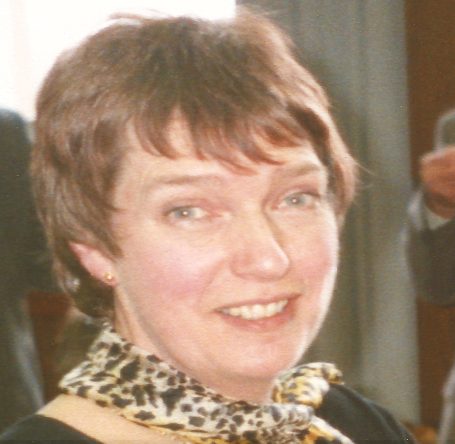
BARBARA IN AFRICA
Barbara and I spent much of the 1970s in two very different parts of Africa.
From 1970 - 1973 we worked in a Primary Teacher Training College in Central Kenya. This was an area that had proved good for farming in colonial times and quickly became an attractive place for tourists after independence in 1963. The climate was comfortable and good infrastructure made it easier to get around.
From 1975 - 1978 we lived with our two daughters and worked in Northern Nigeria. This was an area with a strong Islamic culture where pre-colonial government traditions were still strong. The city of Kano had its own Emir and an ancient walled city and the College (later independent University) had been originally established as a traditional Islamic institution
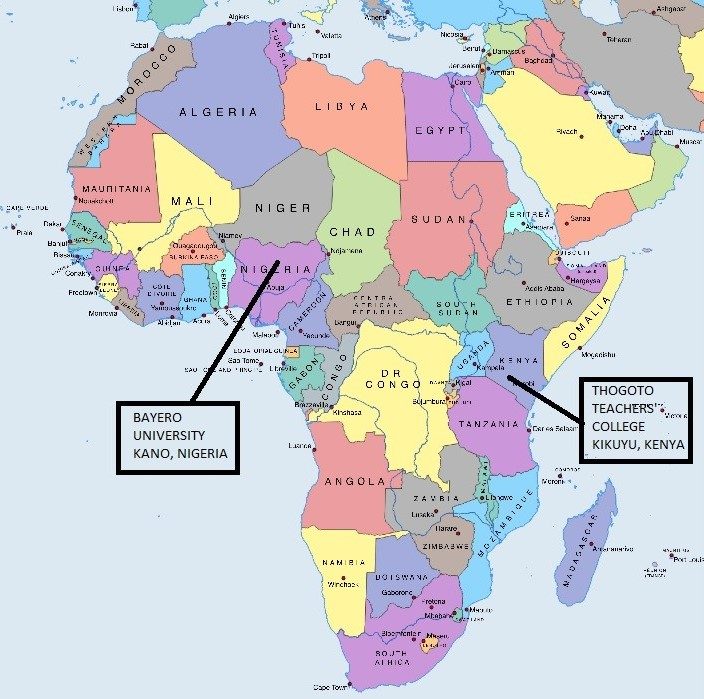
THOGOTO TEACHERS COLLEGE, KIKUYU, KENYA
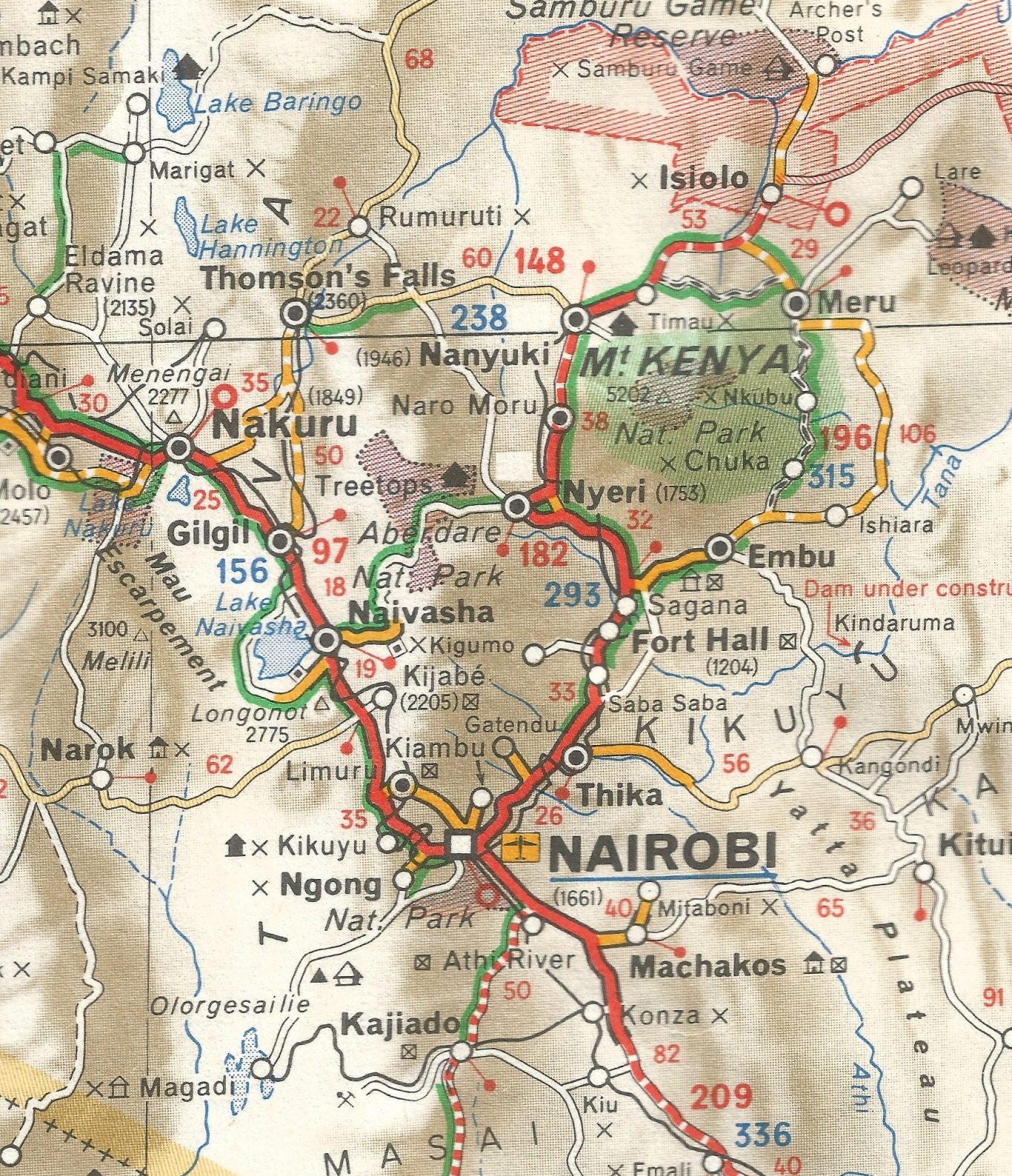
This modern map shows the area to the north west of Nairobi which includes the College. Around the townships of Kikuyu and Thogoto, the Church of Scotland bought land in the nineteenth century and established a Church, a Hospital, the prestigious Alliance High schools (Boys and Girls) and in the middle of the last century the Teacher Training College in Thogoto. These are now run by the Presbyterian Church of East Africa (PCEA). which is proud of its history as a 'cradle of education' in Kenya. A number of new institutions have appeared since the 1970s and the College has grown substantially with new sports fields and dormitories but it still occupies a similar area at the southernmost end of the PCEA area.
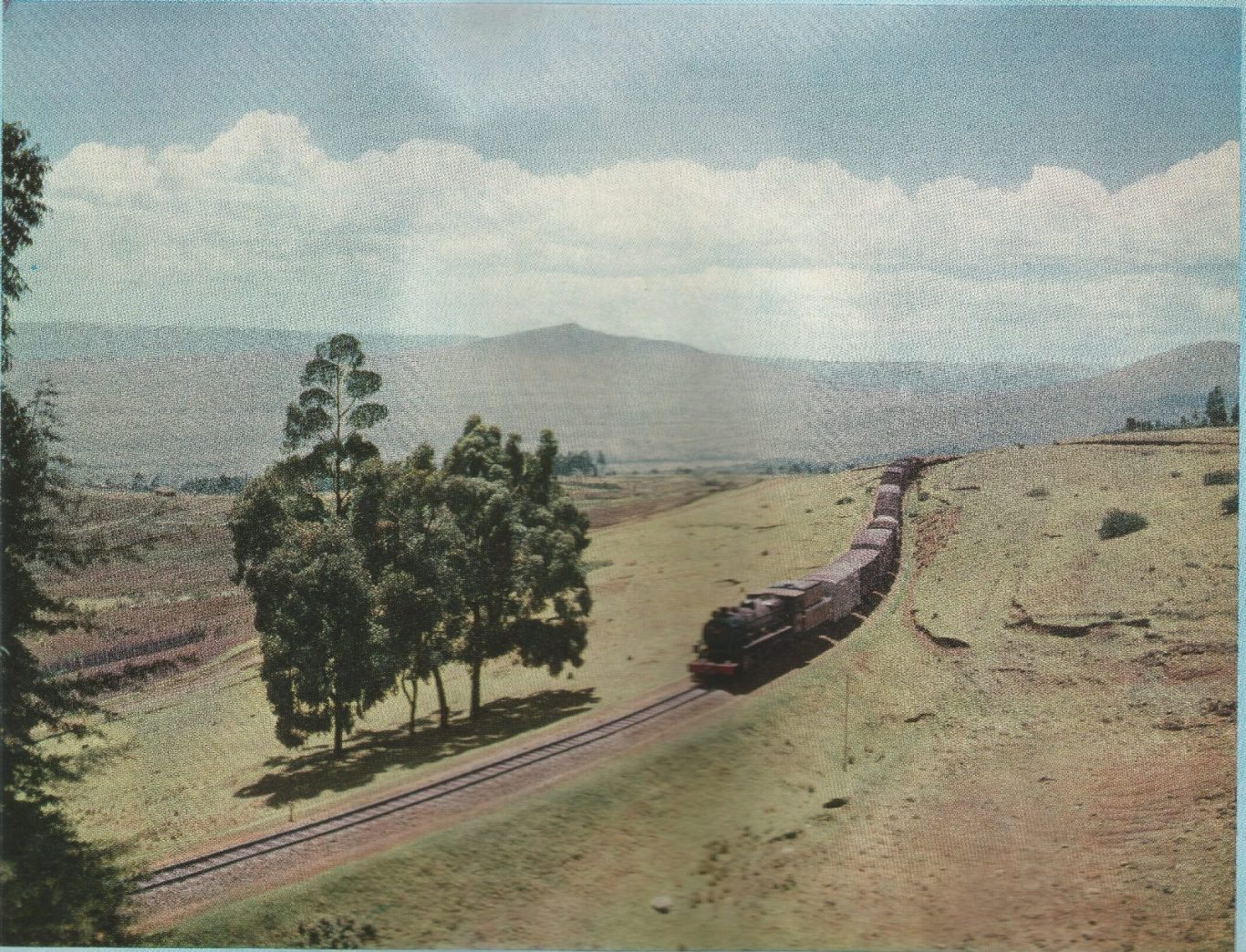
In our day there was no southern bypass and the way off campus led past the back of our house to Kikuyu. Kikuyu had a station on the railway from Mombasa to Kisumu north west of Nairobi which had been built to open the country up for settlement in colonial times. Train services at that time were outdated and slow. We never used the railway but could lie in bed listening to trains meandering their way up the steep slope from Nairobi, the sound frequently dimmed as it passed behind hills: Thogoto is around 1,000 feet higher than Nairobi (c. 6,500 to 5,500). At this elevation, it was sometimes cold enough for an evening fire and we bought wood for this.
The photo below shows a train going south east up the escarpment of the Rift Valley towards Thogoto and Nairobi. Mount Longonot is in the background. It is taken from a UK government publication of 1963 at the time of independence. The photos of Government Road Nairobi and the port in Mombasa later on this page are taken from the same publication.
OUR HOUSE ON THE CAMPUS AT THOGOTO
These pictures show views of the inside and the outside of our house in Kenya and its garden
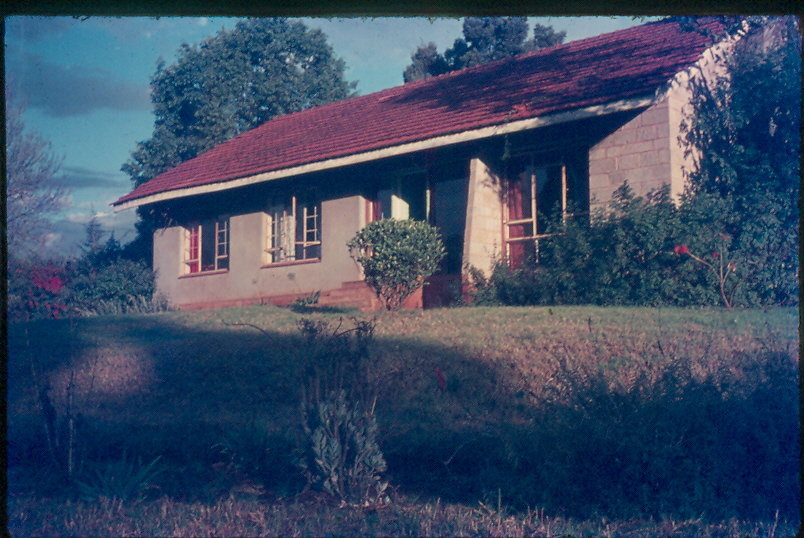
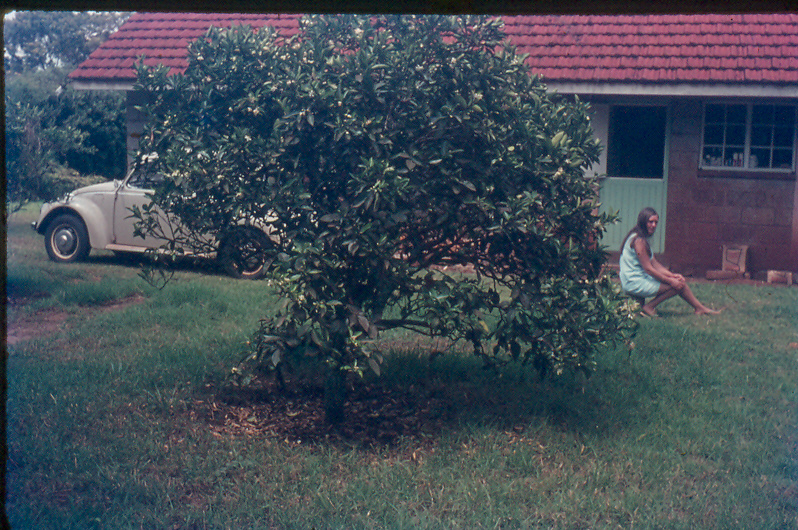
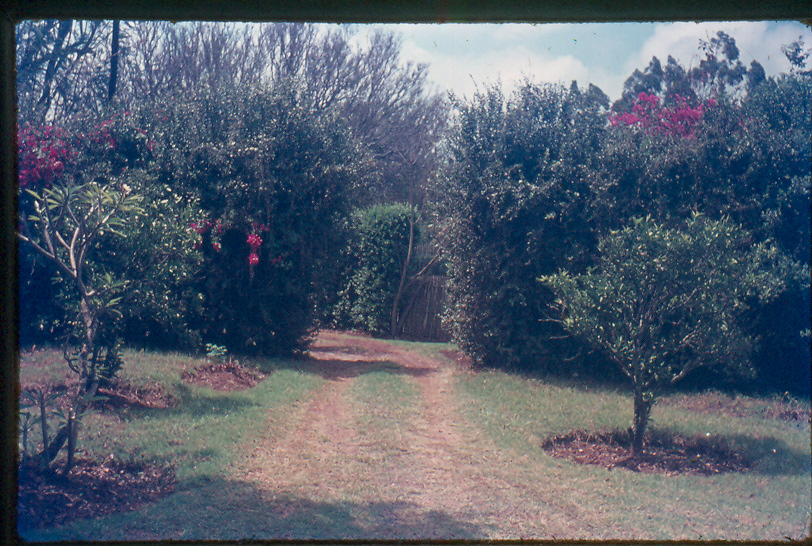
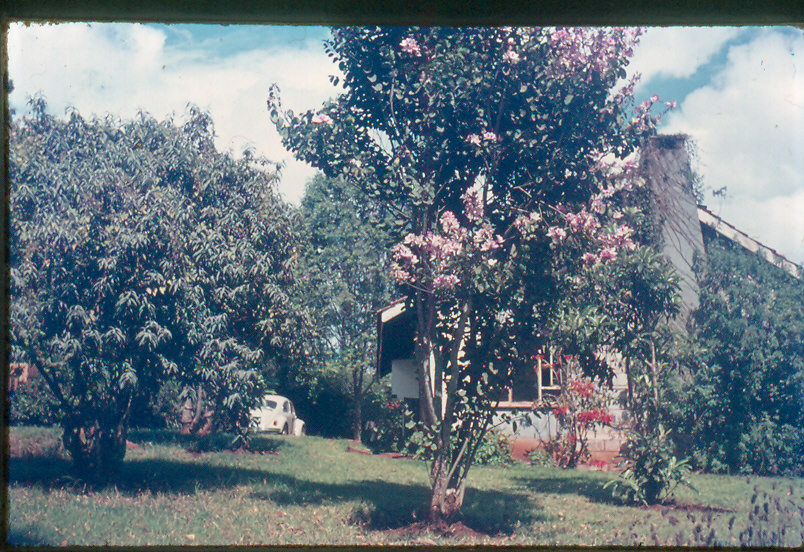
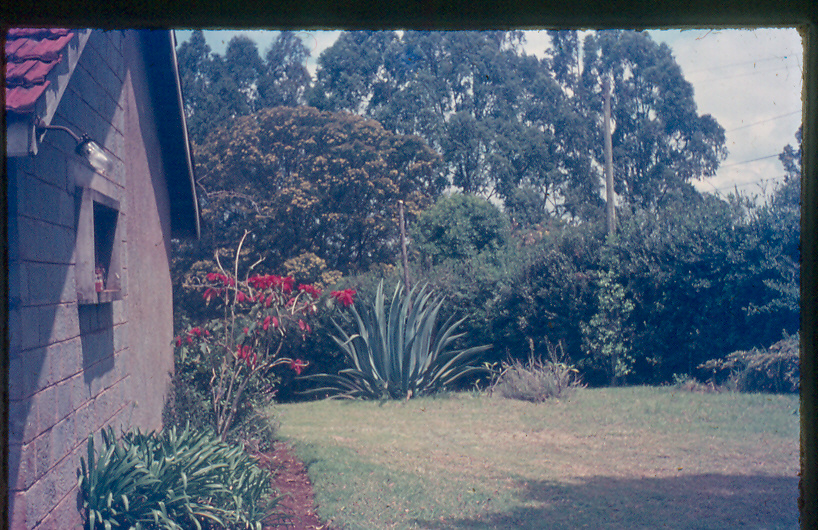
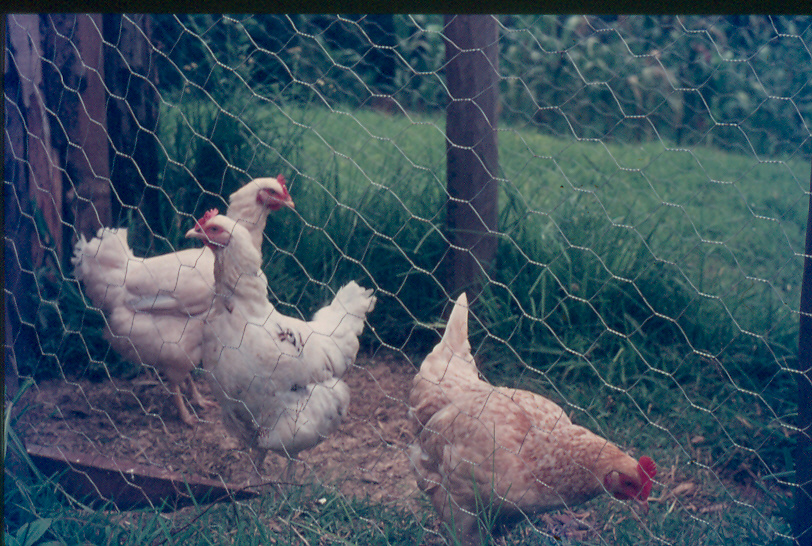
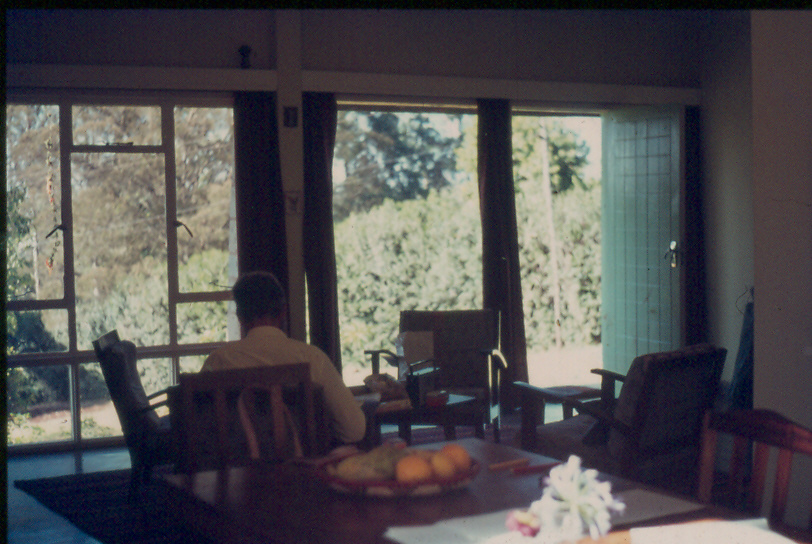
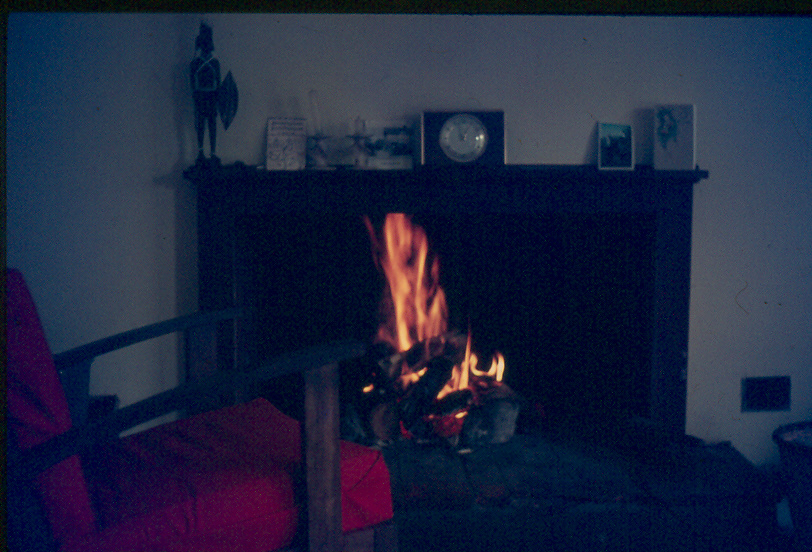
We lived in a three bed colonial era bungalow. There were high hedges on all four sides. Road access was from behind and the car was parked behind the house alongside a stack of firewood. From our bedroom and the large lounge in the front of the house we overlooked a large garden with a slope linking two levels. There was scythed grass and a flowerbed or two near the house, and our gardener built a hen house at that level a short distance from the house. When it was clear we couldn’t make good use the land on the lower level we let our gardener grow maize on it for his family.
I was on a contract to the Kenyan Ministry of Education. I was first posted to Alliance Girls High School but that was changed just before we left England to Thogoto Teachers’ College, a much humbler institution. At that time, Primary Teachers Colleges ran two year courses with three entry levels: a class that had just completed Primary School, one with two years of secondary education and one with four years of secondary education (all students now are secondary graduates). They were mature students most in their early 20s. The job of the College was to improve students’ general education and prepare them to work in Primary classrooms. Barbara was offered a job teaching Geography within a couple of weeks of our arrival.
The changed posting probably redirected our future careers. At Alliance we would have taught at A level and been part of a small staff team maintaining standards in a fairly uptight institution: a good preparation for a career in secondary education. We would have had less time to develop other interests. Thogoto College offered a much more relaxed environment We had much greater freedom and initiative in developing the curriculum and virtually no disciplinary role. Our timetable included a lot of repetition of a smaller range of classes. Outside periods of teaching practice we had much more free time. Supervising the students in schools kept us very busy for relatively brief periods. They were the most challenging part of the job but also enormously rewarding. They brought us closer to the community through visits to Primary Schools in nearby villages and made it possible to build closer, more nearly equal relationships with students. I found nothing more rewarding than discovering students poorly qualified academically who were exceptional communicators in the classroom: apparently natural born teachers.
NAIROBI
From Kikuyu one route to Nairobi led along smaller roads through Dagoretti. Another crossed a steep-sided valley, very treacherous when wet to reach the main north west road from Nairobi to Nakuru and beyond. Turn west along that road and we would climb further to the top of the escarpment before the steep descent into the Rift Valley. We quickly discovered that a further drive along the floor of the valley past Longonot would take us to a hotel on the shores of Lake Naivasha: an easy trip for a Sunday lunch. Another easy day trip to the south of Thogoto led to the Ngong hills where Karen Blixen had the farm that featured in her book Out of Africa.
There were many benefits to living near Nairobi. Before we left England the UK government had laid on a course for a group of us just about to start work in Kenya and encouraged us to keep in touch. Wherever they were posted, they all needed to visit Nairobi every now and then so we had a stream of visitors staying with us and, in return, free accommodation at various locations across the country. We had easy access to government offices when required and to a bigger range of supermarkets and cultural facilities for expatriates like the Donavan Maule theatre
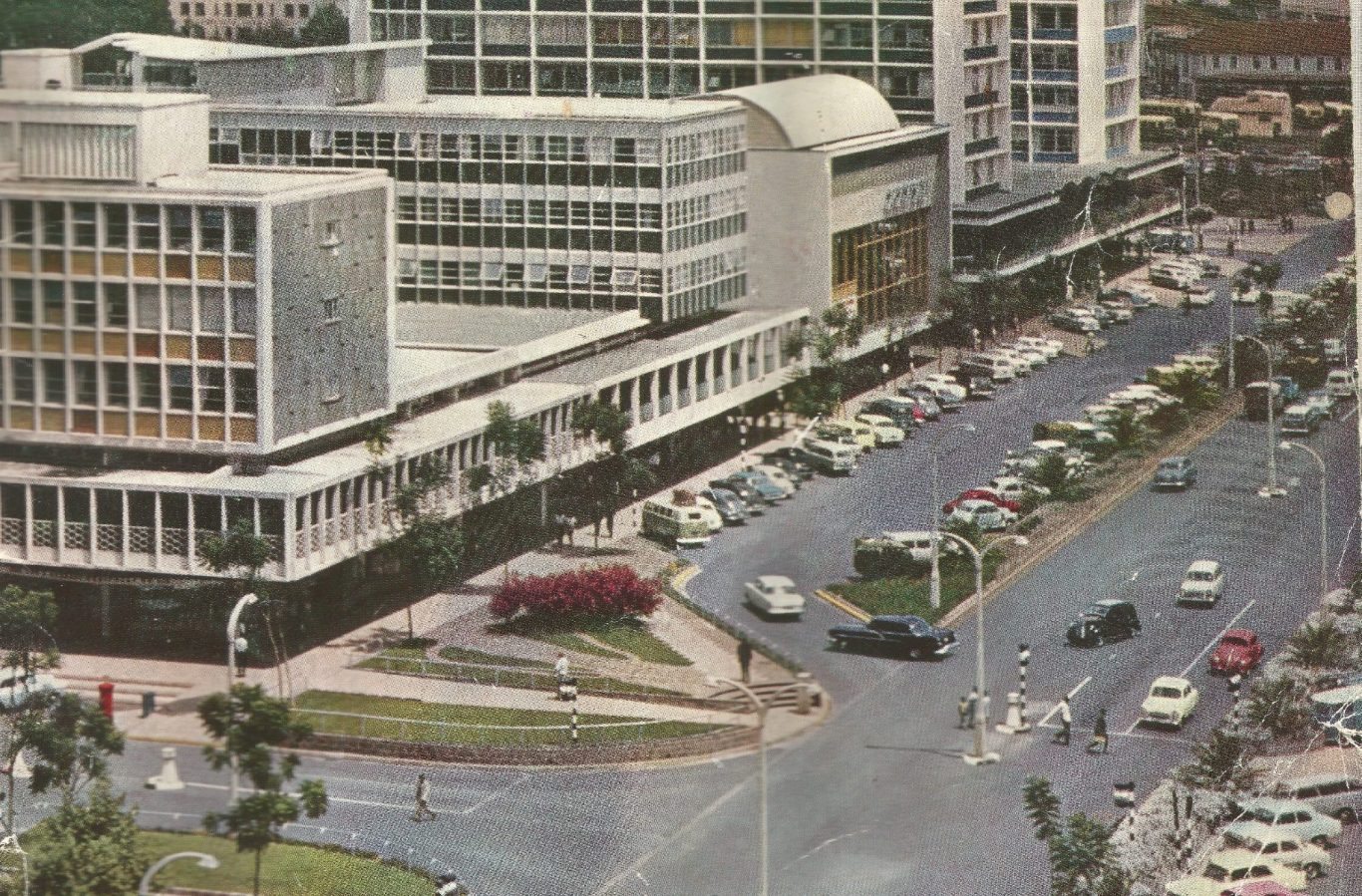
A picture of Government Road Nairobi early 1960s
Nairobi is geographically central so we could make longer trips to Game Parks and other tourist features across the country. We bought camping equipment and made a number of trips to a campsite on the coast in Mombasa particularly at Christmas.
UNIVERSITY OF NAIROBI
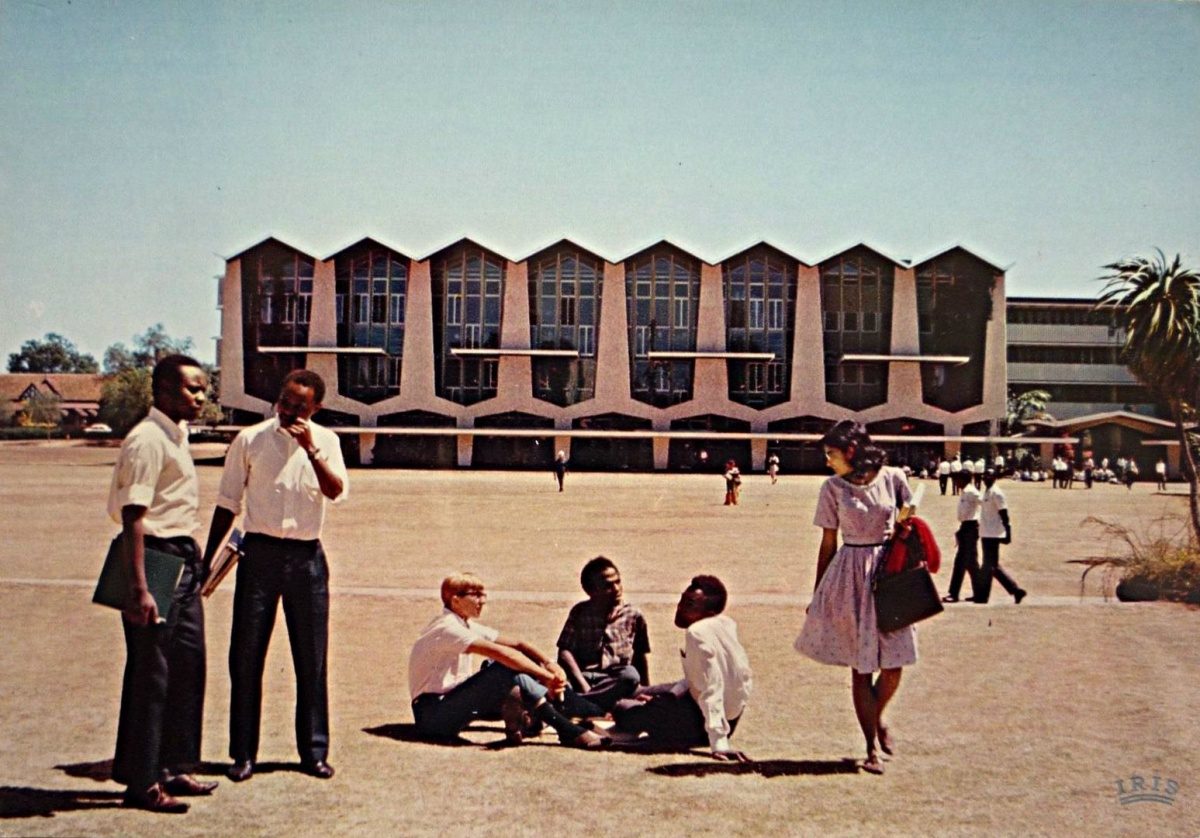
This stock picture was taken was whilst Nairobi University College was still a constituent part of the University of East Africa, though the building in the background still features in contemporary pictures of the campus. The area of dry stubble was the site of many of the festivals of African dancing promoted particularly by Okot p'Bitek. It is now much lusher and greener, at least in publicity photos.
In 1970 the University of Nairobi became the first in the country to issue its own degrees. It already had a Literature Department with a strong association with the University of Leeds. For me. the biggest project outside teaching was my work towards the MPhil Kathleen Casey had persuaded me to register for. With their support, I chose the Ugandan poet Okot p’Bitek as my subject. His distinctive long poem ‘Songs’ were the new big thing in East African literature at the time and he was in exile from Uganda teaching in Nairobi University.
University Geological Society
Barbara joined a Geological Society led by University lecturers but open to interested parties and particularly attractive to expatriates. Perhaps once a month we could join a convoy of cars going out usually on day trips to various locations for an expert introduction to one or other unusual geographical feature. I can recall two memorable ones to very different locations: a day trip to the lush steep-sided valleys typical of the heart of Kikuyuland, the scenery that Ngugi wa Thiongo celebrates, particularly in The River Between. We stopped at various locations along (I think) the river Chania and observed an example the unusual geographical feature of river capture.
Unusually I can date the second camping trip to the Easter Weekend of 1972 There we camped beside a steep-sided, shifting river valley in the dry north of Kenya on the Baragoi river. The river bed was often dry but we observed the spectacular effect of a storm: a huge torrent of water in the bottom of the valley with lumps of earth falling off from the sides. One tree had just survived the last storm, clinging on to the bank with half its roots whilst the others clutched air above the eroded channel. The tree probably didn’t survive the next storm. Volkswagens were reputedly robust but the drive to Baragoi tested ours to its limits. It took two or three trips for repairs to mend its underside.
THOGOTO STUDENTS GEOGRAPHY FIELD TRIPS
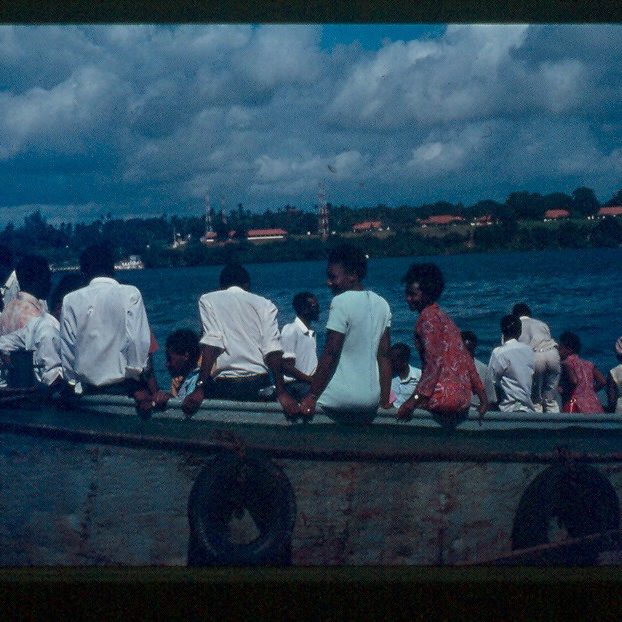
Barbara’s role as a Geography teacher also gave us the opportunity to take our students on field trips. These included a short drive into the Rift Valley and a walk up the Volcano Longonot and round its rim. A much longer trip involved taking a class to the Coast. Many of the students had never seen the sea before. We stayed in another teachers college. We ate with the students in the dining room in the evening but cheated by going to a restaurant in Mombasa at lunch time. I remember an afternoon swimming in the sea and a trip round the port in Mombasa. Much to Barbara’s delight, a large ship ‘The City of Newcastle’ towered over the dock.
The photo shows Thogoto students on a ferry near Mombasa
The trip to Uganda
The longest trip we took arose from my study of Okot p'Bitek. He was a published expert in the oral literature of his own community, the Acholi, of northern Uganda and his most successful poem Song of Lawino was originally written in the Acholi language. I decided that to thoroughly understand his work I had to learn the language at least sufficiently to compare the two versions of the poem and enlisted the help of an Acholi student at the University, John Odoch. He and his friend Bob Odoki became good friends of ours, with exchange visits between their accommodation and our house at Thogoto.
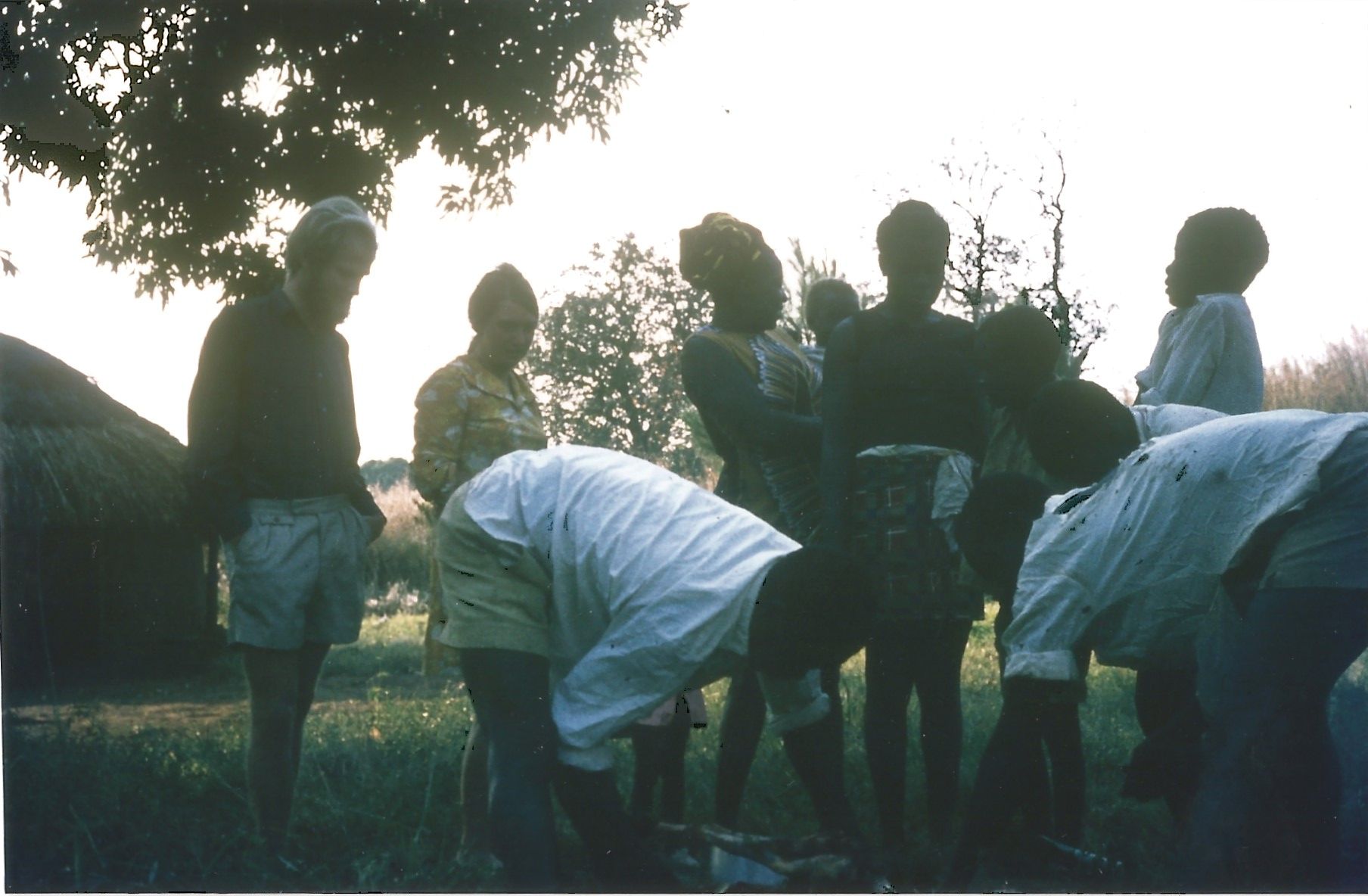
A visit to the Acholi area of Uganda seemed like a good idea but I was an external student with no funds for a research trip. Instead Barbara and I spent a holiday in Uganda beginning with visits to Bob Odoki’s house in Gulu, the biggest town in the area and to the village compound of John Odoch at Mucwina. I don’t know whether or not we gave Bob a lift, but he was certainly there with us. John Odoch sent a letter telling his family we were coming but we arrived before the letter, creating some tension as we tried to explain our mission to villagers rightly suspicious of strangers in the Idi Amin era. When we got over that difficulty, we were made very welcome. Despite all the additional time I had spent learning Acholi, Barbara’s readier facility in learning a language shone through as we tried to use the language to speak to our hosts.
After the trip we tried to fit a tour of the rest of Uganda into three days, camping near a river where we could watch hippos and then careering off to the south west intending to stay one night. It was very wet and we abandoned that plan, haring back to a couple of nights in a hotel in Kampala instead.
Gallery
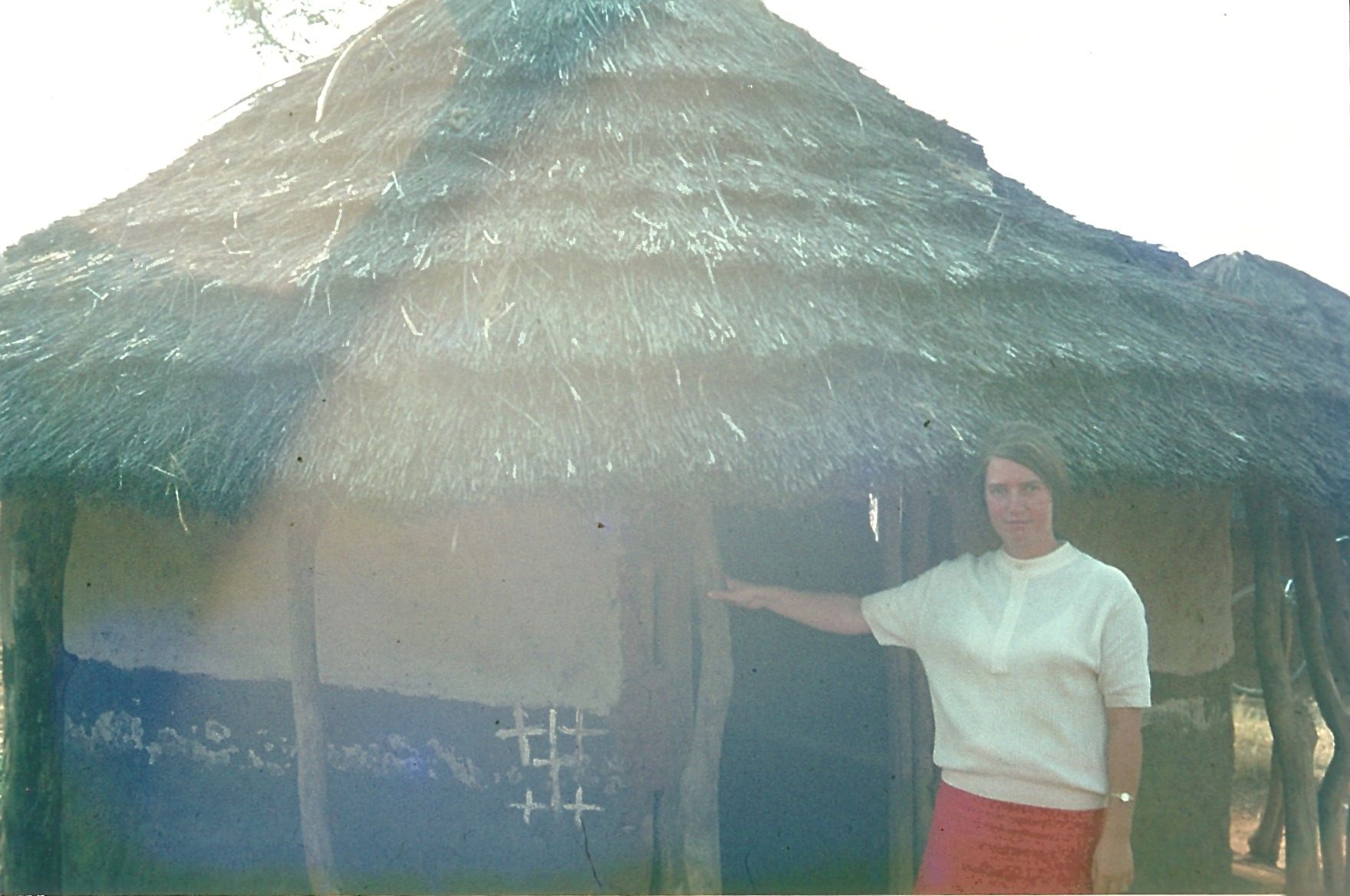
Barbara in Uganda
FAMILY VISITORS
EVE
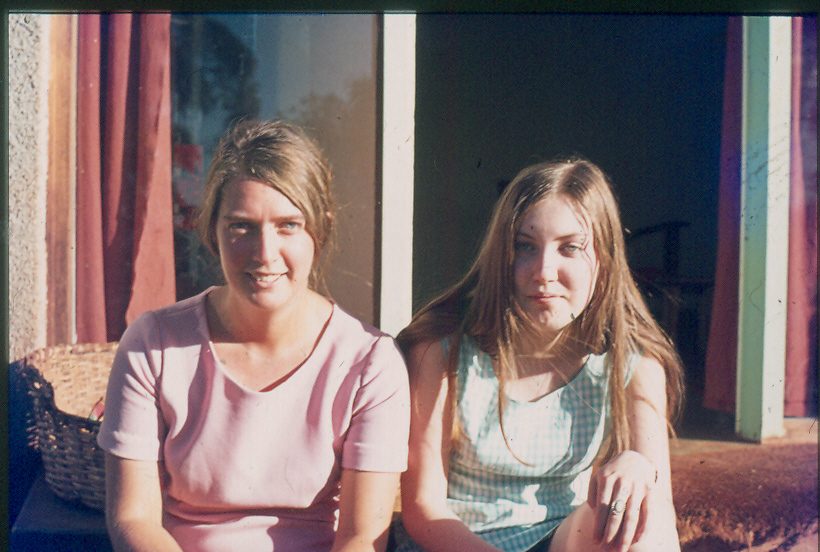
We had two visits from members of Barbara's family in Kenya. Her cousin Eve joined us for a week or two of trips around the country (including a visit to the Coast). The picture shows Eve and Barbara sitting on the steps in the front entrance of our house. The dog basket is behind Eve on the front step.
MR AND MRS BLAIR AND
THE ARRIVAL OF RACHEL
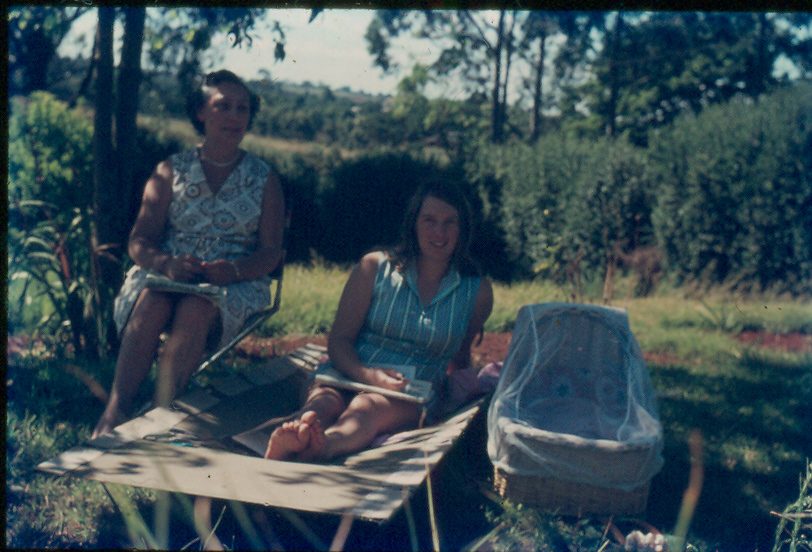
Both of Barbara’s parents came out for a week or two a few weeks before and her Mum stayed for the birth. Rachel was born in Nairobi Hospital. Here a home birth was impossible but Barbara’s commitment to natural childbirth practices was expressed in her use of breathing techniques to control the pain of contractions. These did not work sufficiently to prevent her grabbing my beard at one point in reaction to the pain.
In the few weeks of her infant life in Kenya we took Rachel to Nairobi Game Park and held her up at the window to see some lions, rather a silly gesture. We nearly lost her on a visit to the airport. We had a basketwork cot. When we took some boxes to send in advance we had to take her with us and so we put the basket on top of the luggage. The lads waiting around to take our luggage inside for tips whisked it off and were halfway into the airport before we could reclaim her. The basket is in the picture below.
LEEDS AND THE ARRIVAL OF JENNIFER, 1973 - 75
We returned to Leeds so that I could complete my thesis. It was now a doctoral thesis and I had an offer of publication of it as book. I was to live off savings and earnings from part-time teaching and to be in closer contact with the University English Department. Though I made a lot of progress, I took a full time job in Nigeria before the book was published and my doctorate awarded in 1976.
Barbara’s friend, Stuart Burns, a former resident of the Hostel of the Resurrection, now University Chaplain, offered us temporary accommodation until we moved into a house in Broomfield Terrace, Leeds. In addition to Terry and Alan and Leon and Sheila, we made new friends through my part-time teaching. Barbara took a few part-time hours despite her young family. I believe she taught literacy to adults, anticipating her later shift out of Geography teaching. ESOL teaching of overseas students enabled us to have a lively social life with African and Arab friends often spending long evenings eating Barbara’s cooking. We became particularly close to Marcel Tomasi and his wife From the Gambia who replaced us as Stuart Burns’ tenants for a time.
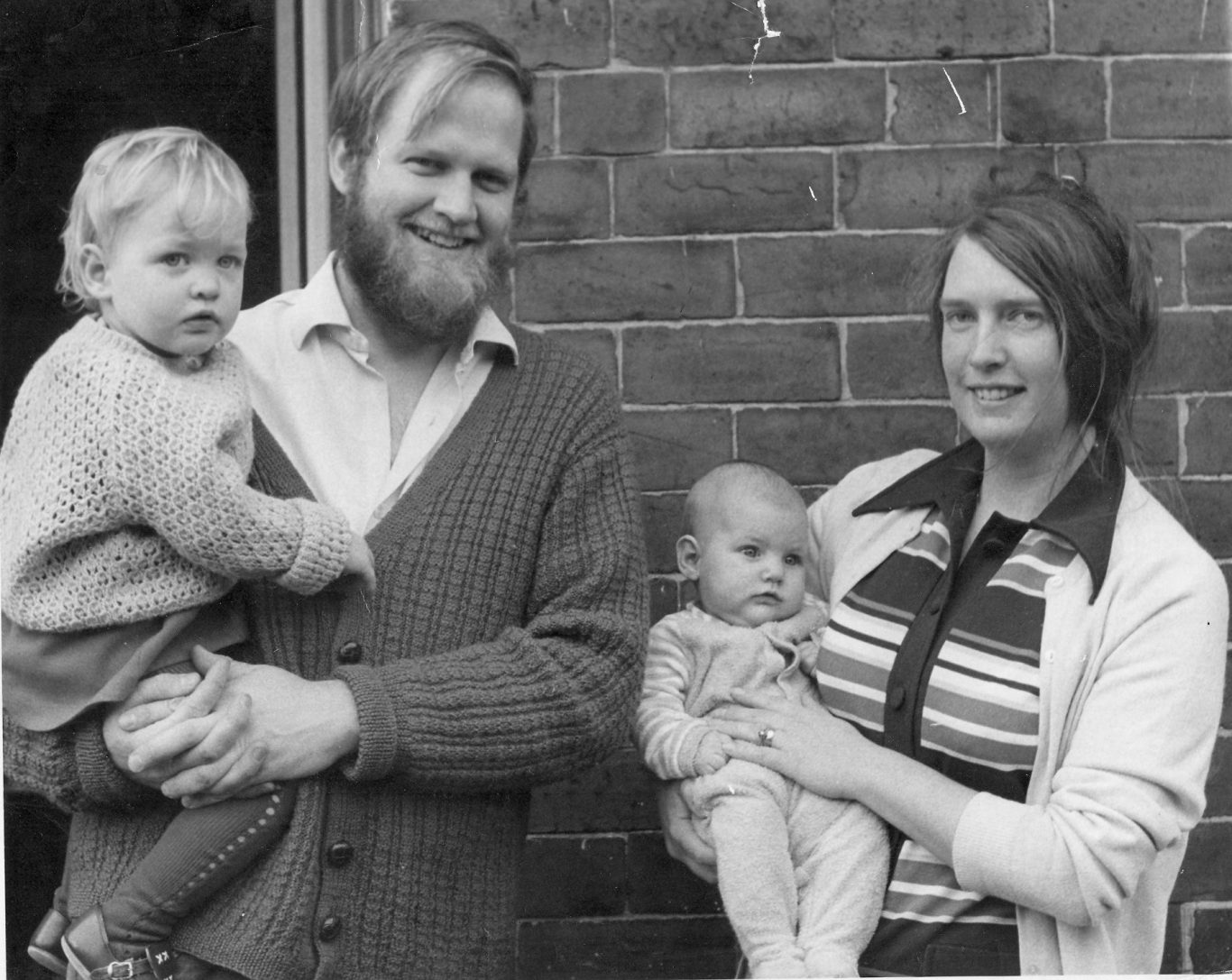
When she became pregnant in Leeds, Barbara insisted on a home birth so Jenny was born in the Broomfield Terrace house with the support of our GP and a couple of midwives. Our girls were befriended by an older mother and daughter (Mrs and Miss Bates) who lived across the back alley. They sometimes babysat when Barbara was teaching. The picture above shows the family outside the front door of the house in Broomfield Terrace.
KANO, NIGERIA
THE ORIGINS OF BAYERO UNIVERSIATY
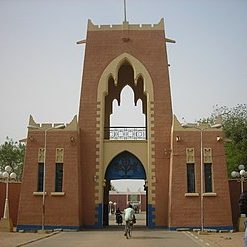
There has been a palace for the rulers of Kano on the same site now in the walled old city since the sixteenth century. This photo was taken in 2009. In 1960 a School of Islamic Studies located near the palace began to offer A levels Arabic, Islamic Studies, Islamic History, Hausa, and English Literature. Over the next fifteen years, in association with a University in Zaria it began to offer an increasing range of subjects at degree level. During the Nigerian Civil War, it was relocated just outside the north eastern corner of the city walls.. My appointment coincided with an increase in the range of subjects offered. Many of these new departments were staffed by relatively young expatriates. In 1976 it became an independent University.
JENNY'S NIGERIA PROJECT
In the 1980s when we were living in Prestwich, Jenny did a project on Nigeria for her Primary School. She describes our early days as follows:
In 1975 we flew into Africa and came down in the airport in Kano in Northern Nigeria.
I was only seven months old then so I don't remember anything about it.
We stayed in Central Hotel for two weeks. The University where my Mum and Dad worked had to pay our hotel bills and find us a place to live.
CENTRAL HOTEL: THE COTSELLS
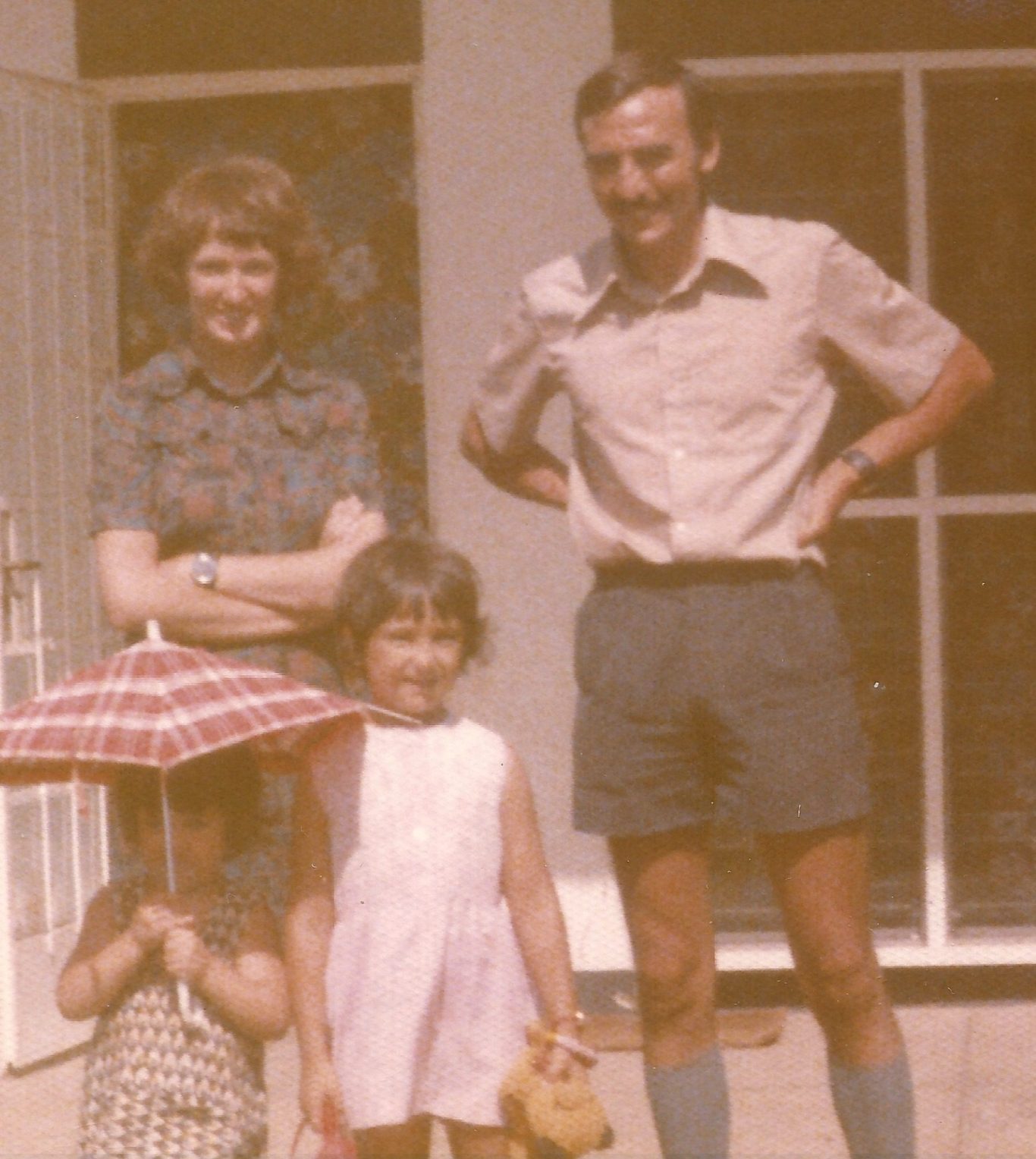
Life in the hotel was made far better than it could have been because we met John and Jean Cotsell and their daughters there. John was contracted to work in new Colleges for Primary teachers which had not yet been built. Their stay in the hotel was considerably longer than ours. In the evenings whilst we were there the four adults had meals together, taking it in turns to check on the children regularly throughout the evening.
Once we were settled in our house, we would meet up regularly at each other’s houses where the children could play together and for meals in restaurants in town. We would also sometimes go out on trips together with the four children.
The picture shows John and Jean and their daughters Emily and Anna on the porch of our house on campus.
OUR PLACE IN THE UNIVERSITY: THE NORTHEYS
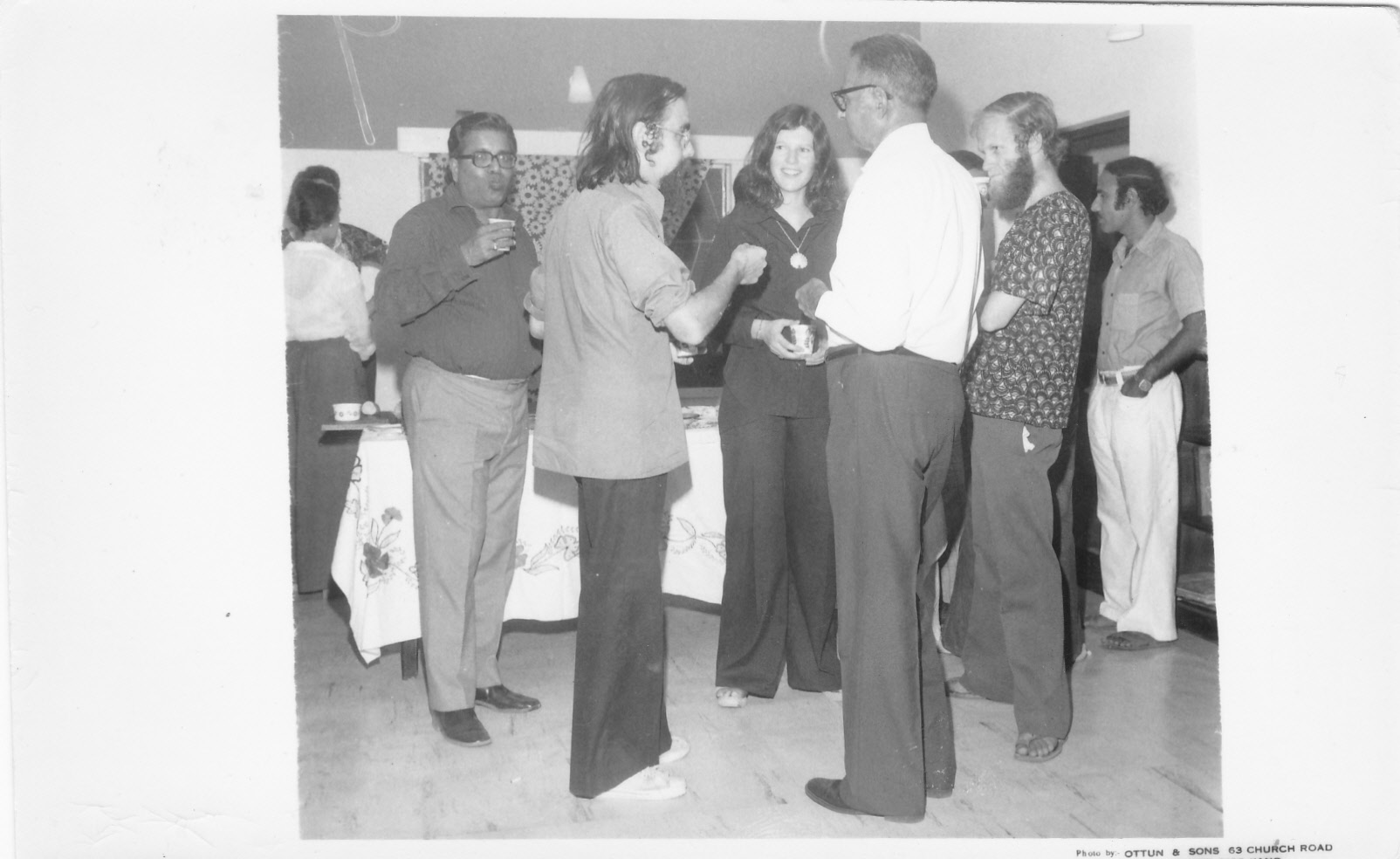
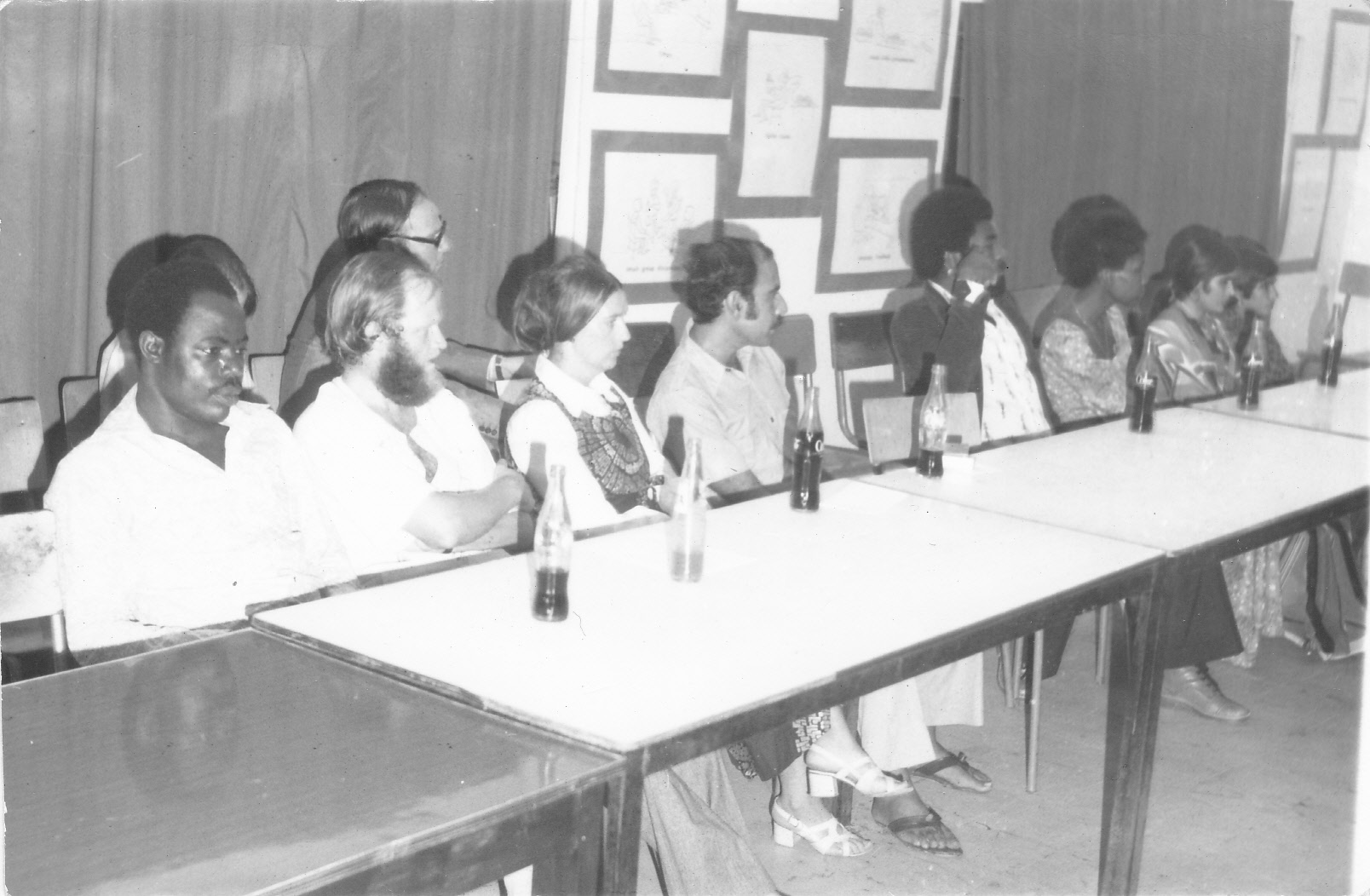
I was appointed to the University English Department before our arrival. As in Thogoto College, Barbara was offered a job in the same institution, this time teaching Geography method in the Education Department. With the exception of our contact with the Cotsell family, our social life was very much amongst the expatriate community within the University. It was a much bigger institution than Thogoto College with a larger group of staff and we tended to identify with our Department, rather than the University as a whole. A very few formal events brought us together with a wider group of staff.
Eric Northey was a colleague in the English Department. He and his wife Julie had a house off campus in town. At that time they had no children and when they heard that we had arrived with two infants they thought us very brave (or foolish). They invited us to visit within a day or two of our arrival. When we arrived outside their house, Julie’s first words were: ‘Barbara Blair, what are you doing here?’ They had attended the same school in Newcastle and knew each other’s parents. Eric and I did not have such a direct connection but there were some parallels in our lives: we had attended similar ‘direct grant’ schools in the neighbouring Greater Manchester boroughs of Bolton and Bury.
Eric was an intellectually stimulating friend while we both worked to finish our doctoral theses and supportive throughout our time in Kano. I had the role of choreographer in a production of Tony Harrison’s play Aikin Mata by Eric and another friend, Mark Ralph-Bowman,
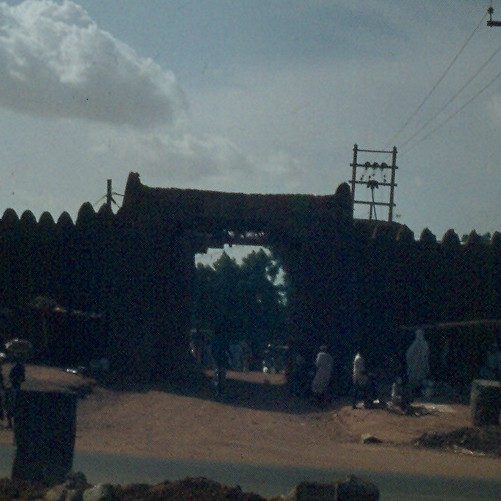
Kano was the most formally segregated city I have lived in. Its oldest part was the mud walled old city which included the palace of the Emir of Kano. To the north east of it was Sabon Gari (the strangers’ quarter) where a community of those from Southern Nigeria lived in dense housing. South of that was the modern commercial centre including the Central Hotel and further east accommodation for the rich, especially for the white community. Abdullahi Bayero College was to the west of the old city. Our road into town to the hotel with its swimming pool, to the shops and later to the children’s nursery took us alongside one of the city walls which were in poor condition. Above is a picture of a gate in the wall that we passed.
CITY AND UNIVERSITY
HOUSE AND GARDEN
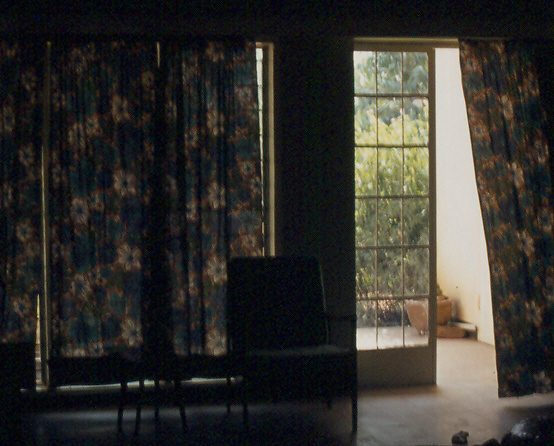
At the time we arrived, the College was expanding to cover a wide range of subjects from a western curriculum. There was space on campus to accommodate new staff housing. We moved into a 'new' house on campus (there had been one previous tenant). The living room was a big through room with louvred windows and a veranda front and back. There was a new eucalyptus hedge around the perimeter of the property, a circular drive to the front with gardens to the side. Behind was a rectangle of uneven grass. From the front the rooms to the left of the living room had a garage and a kitchen and the two bedrooms were to the right. There was a further area of garden to the right of the drive and of the house. There was a ‘house’ for a servant in the back right hand corner of the property (one room with a small area of hard earth in front). There were well-made roads around the campus with a central area with two storeys of classrooms and student dormitories beyond.
At the time she wrote her project, Jenny still had vivid memories of the garden:
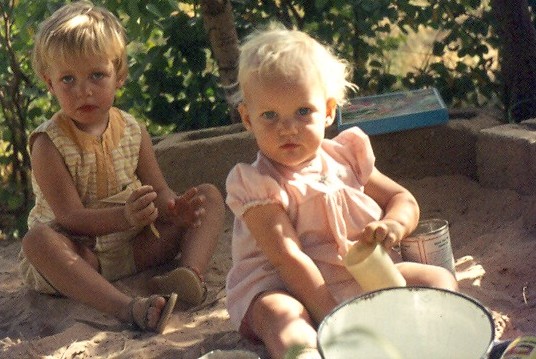
The garden also had a sandpit and a tyre swing. Out of these two we liked the sandpit best. When a friend came we would build a hill as high as we could and when the parents came to take us home we would scramble to the top of the hill and beg the sun to come down and pick us up so our friend wouldn't have to go home.
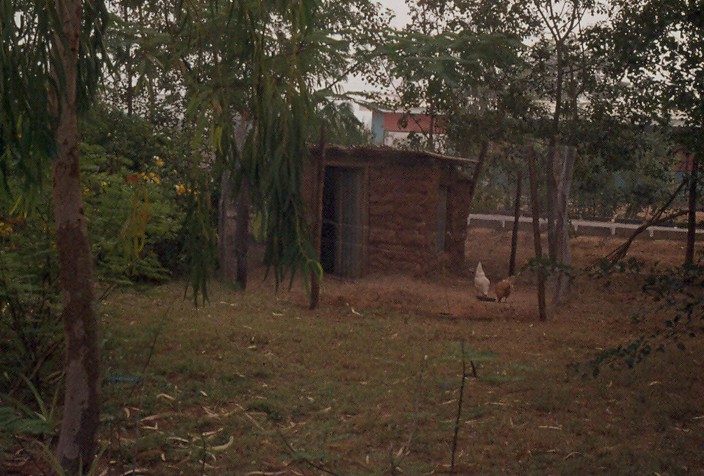
Rachel recalls the same game, but remembers it as an appeal to the moon, not the sun. She also remembered the chickens and the house the gardener Saidu built for them:
We had bought 25 one day old chicks and kept them in a box in the garage with a light over them until they were old enough to fend for themselves in the hen house.
In the 25 chicks there was only one cockerel. He was very vicious and bit anyone who came near him. Once he gave my mum a nasty peck on the leg so, in the end, we killed and ate him.
Below is a picture of the corner of the garden with the hen house and the wire netting enclosure where the hens could roam.
GARDEN AS PLAYGROUND
The garden provided an excellent space for children's play
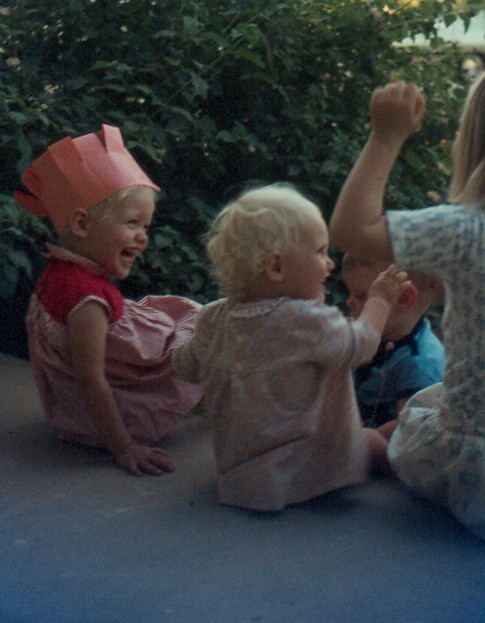
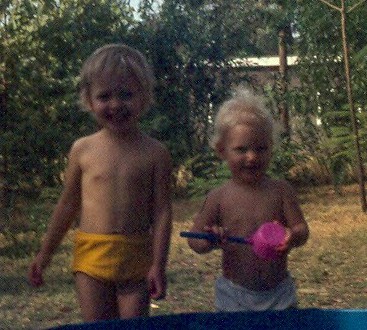
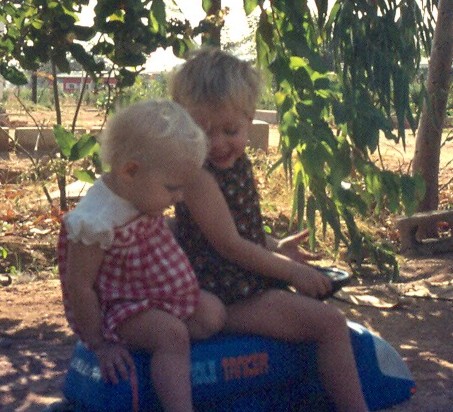
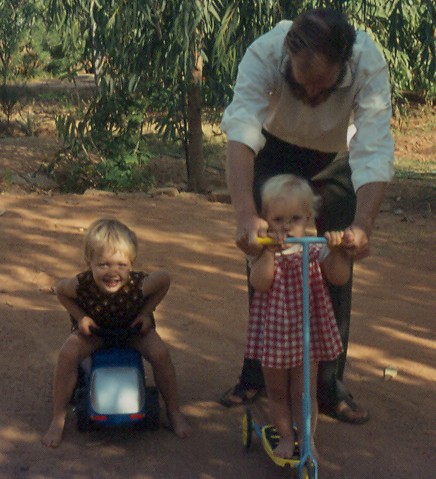
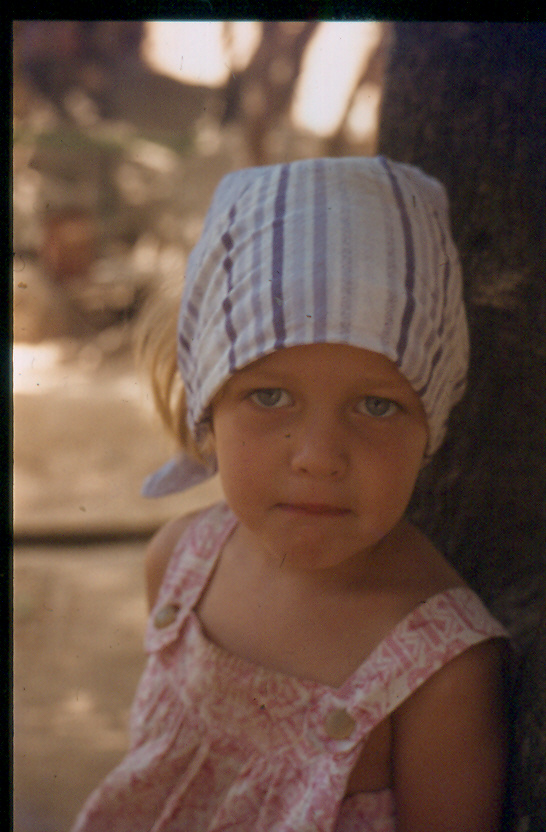
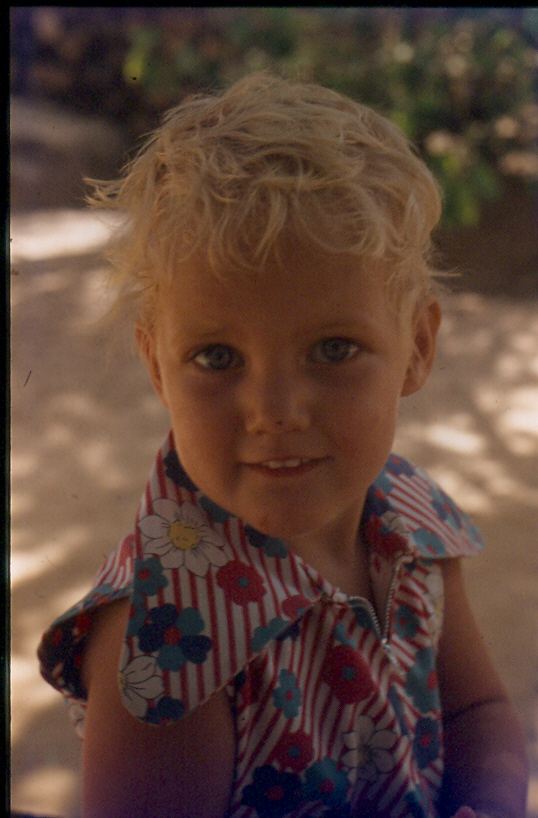
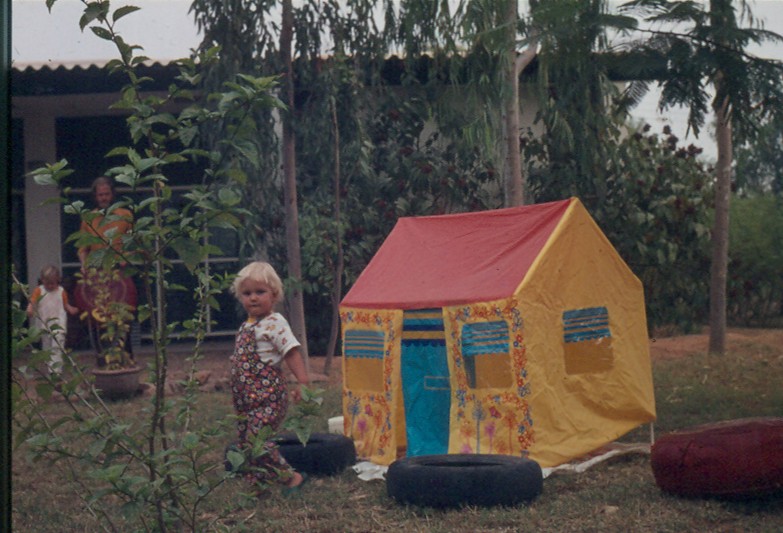
SWIMMING
Outside the house, swimming was a major leisure activity for the girls, first at the Central Hotel and later at the Kano Club. Jenny recalls one incident:
Once my Mum was swimming and Rachel and I were waiting for my Dad to come and put our arm bands on. We soon got bored and Rachel started walking about. She reached the edge of the pool and decided to jump in.
My Mum saw from the shallow end . Rachel had jumped into the deep end and was bobbing up and down in the water not at all concerned. My Mum, of course, swam as fast as she could. When she reached Rachel, she grabbed her and pulled her backwards to the edge of the pool. Rachel didn't like this and started crying.
Lynn Fischer taught in the Politics Department at the University, His wife Vicky also had a job there. Lynn came from the USA and Vicky from India. They had met (I think) as they both worked elsewhere in West Africa with the American Episcopalian Church. Their daughters Rani and Sheila were a little older than our daughters. They lived on campus a short walk from our house and were always open friendly and generous.
The Bagauda dam was a short trip out of town we took with the Fischers. It had a very large swimming pool with excessively hot reflective surfaces but plenty of shady areas.
THE BAGAUDA LAKE HOTEL AND THE FISCHERS
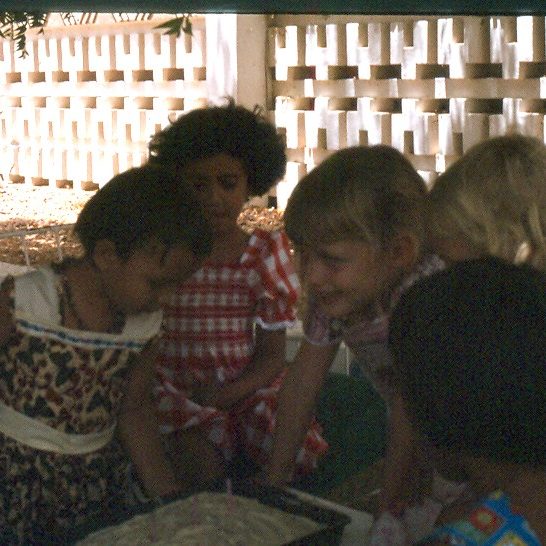
Our two girls are playing with Rani (we can see the back of her head) and Sheila (first left, facing us) in a shady area near the Bagauda pool.
YAKARI GAME RESERVE: WIKKI WARM SPRINGS
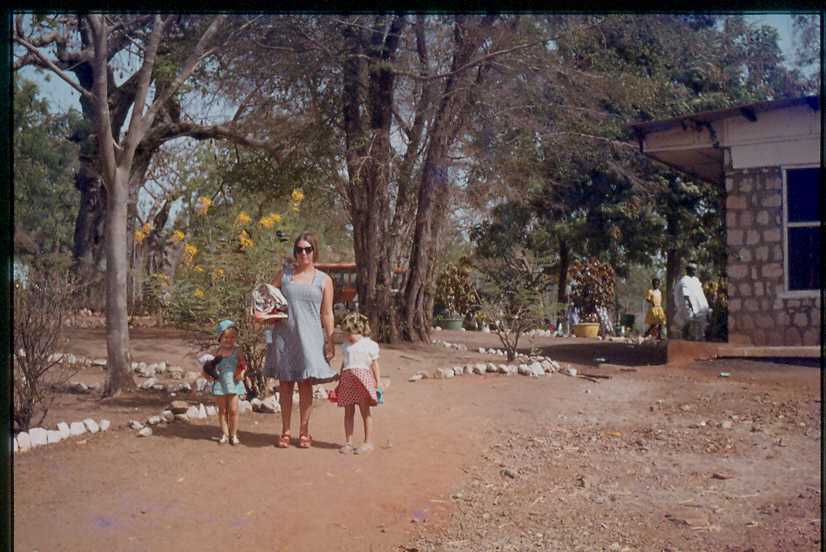
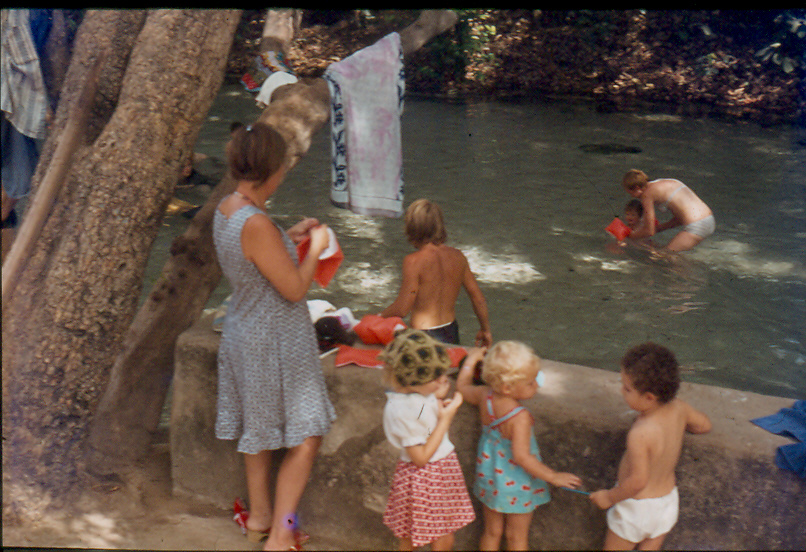
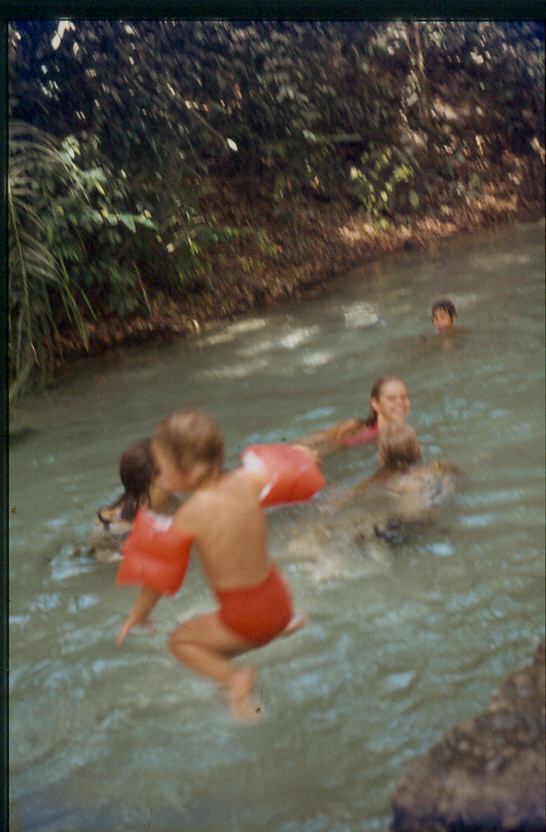
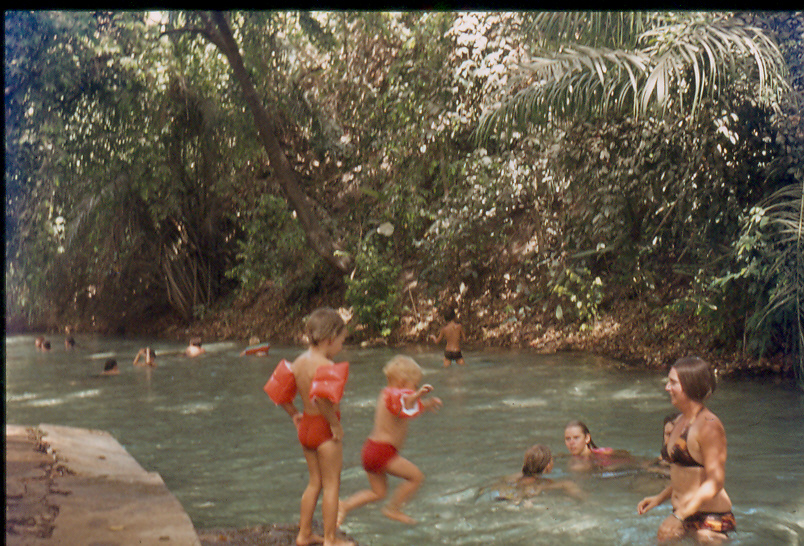
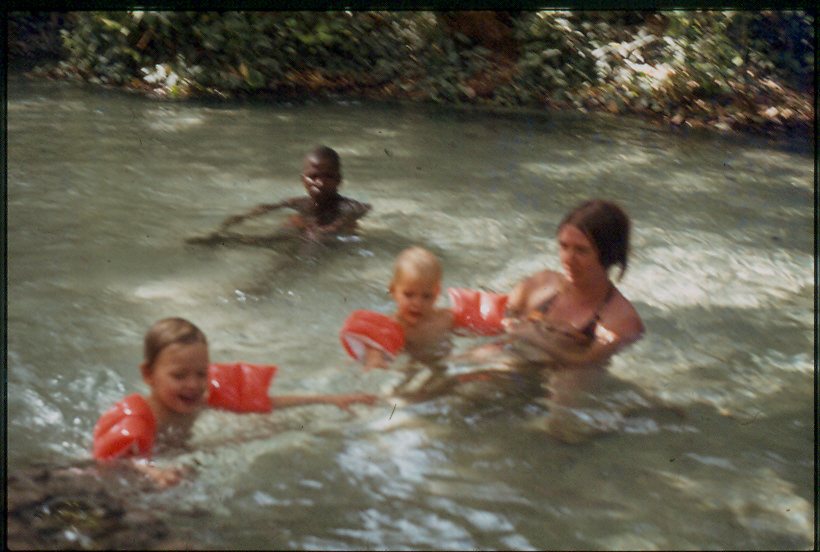
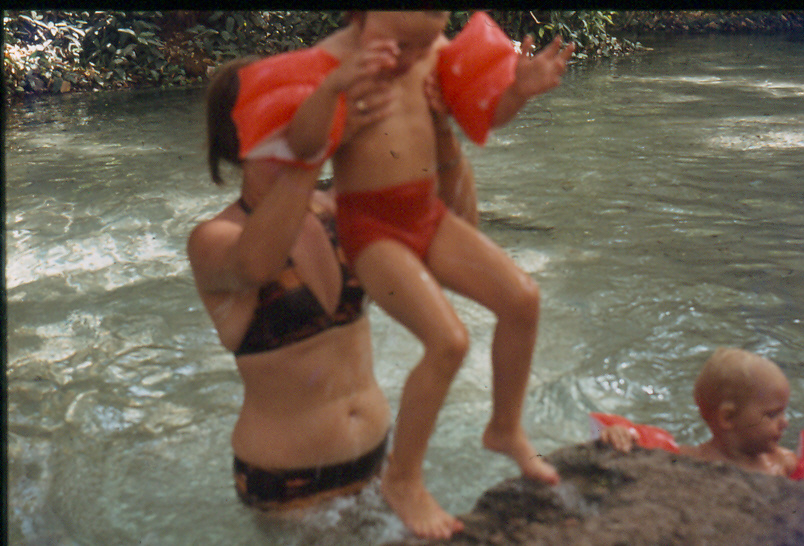
Our most family friendly longer trip a was to Yankari Game Reserve and particularly Wikki Warm Spring within it. We stayed in cabins for a couple of nights. The stream that flowed from the spring was around waist deep for adults. I presume the children were still fairly young because they were wearing arm bands. With these they could be allowed to float downstream in the warm water to be picked up by Mum or Dad as necessary.
THE SALLAH: KANO AND KATSINA
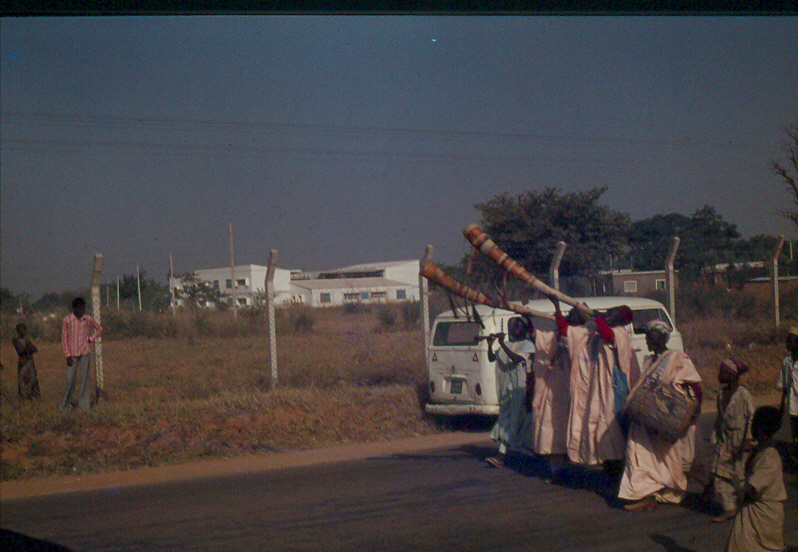
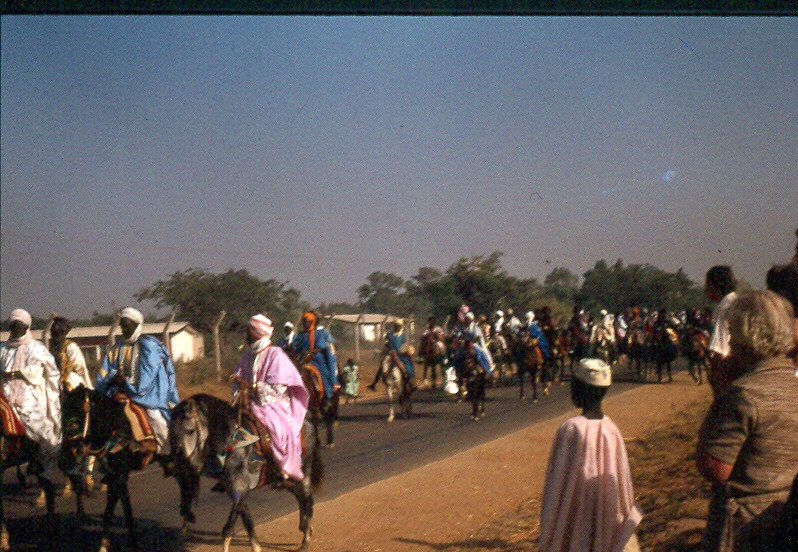
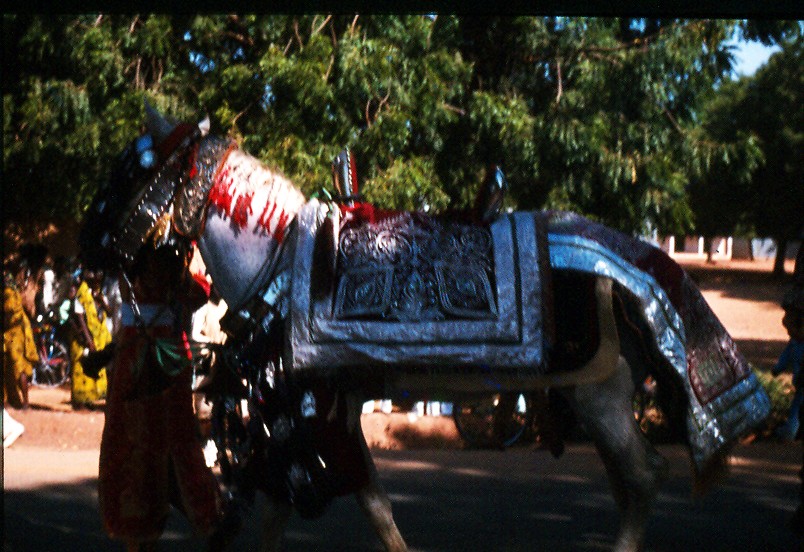
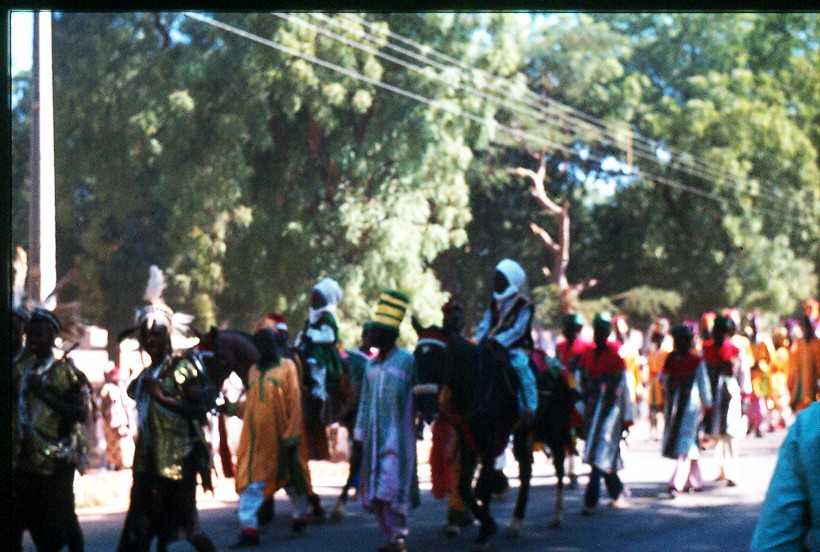
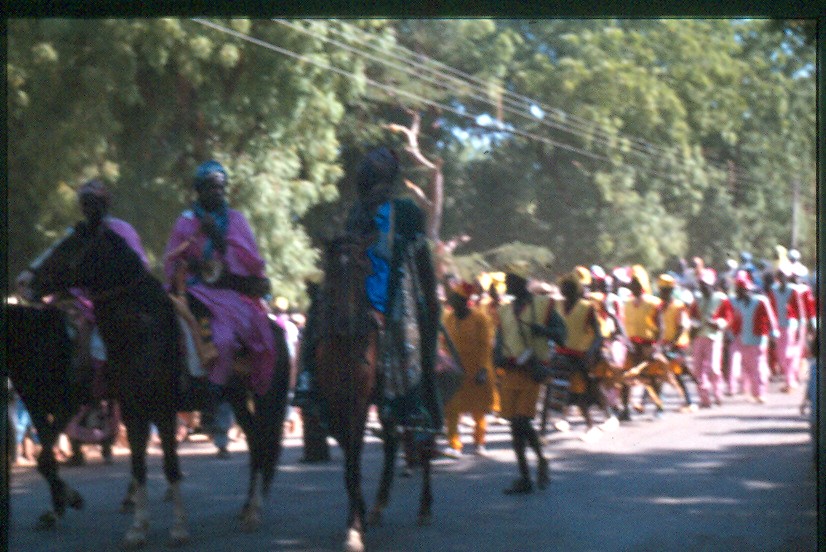
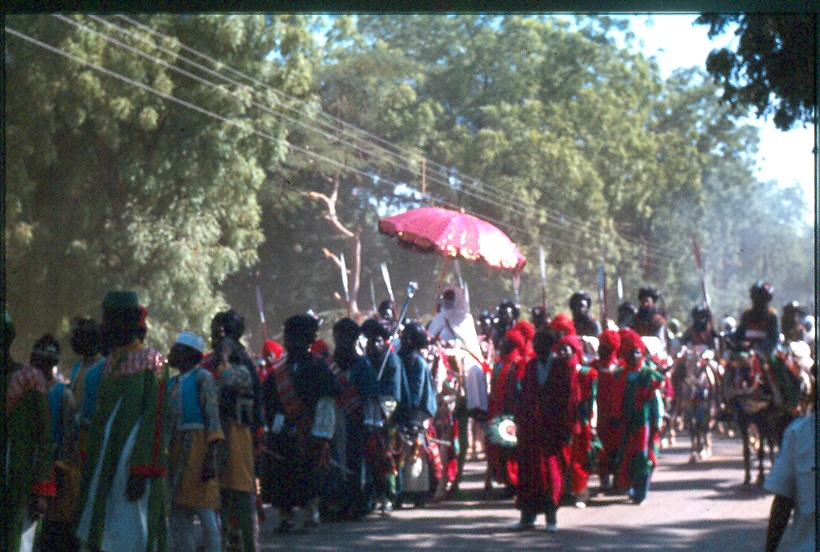
The road past the campus was part of a route for Fulani horsemen from the north into Kano. When these took place, we only had to go and stand by the gate to watch the parade. One on occasion, we went further to see a similar but grander parade in Katsina, a town to the north west of Kano. Jenny recorded these events:
The Sallah is an annually held celebration. There is a parade through the streets with all sorts of dressing up. Jugglers and acrobats galore all walk through the streets and end up in front of the palace. The procession brings presents to the Emir of the town. The Emir is like the king of the town.
The first two photos were taken outside the campus in Kano with the College in the background. The remainder were taken in Katsina.
THE WARD FAMILY: VISITS TOZARIA
MARY ANDERSON
Michael Ward was also a student and teacher of African Literature. He was based in Ahmadu Bello University in Zaria, the 'mother' institution for our University in Kano. He had studied and taught in Zimbabwe and in Zambia and later attended the same Department in the University of Leeds, though not at the same time. I initially sought him out because of our common academic interest, and it remained a topic of conversation for us for the rest of our lives.
However Barbara and our children were quickly involved in the friendship. Michael lived with his wife Elaine and their daughter Emma. Trips to Zaria provided us with a change of scenery as well as an opportunity to meet a wider range of work colleagues. Our visits to them and exchange visits of their family to Kano became a feature of our lives. After our return to the UK, this exchange of visits continued with that family perhaps more than any other. Their house in Sawston near Cambridge was some distance both from our house in West Drayton and even further from Prestwich after we moved there but for many years we made exchange visits of varying lengths.
Mary Anderson (nee McIntosh) had studied Fulani Language and Literature and so was closer to the heart of Bayero University but socialised with other expatriates some of the time. She became close to Eric Northey. Barbara's friendship with Mary blossomed more later in her career. As an FE inspector she would seek out friends to visit whilst elsewhere in the country and she became particularly close to Mary through these visits.